Design Project: FeelFLow
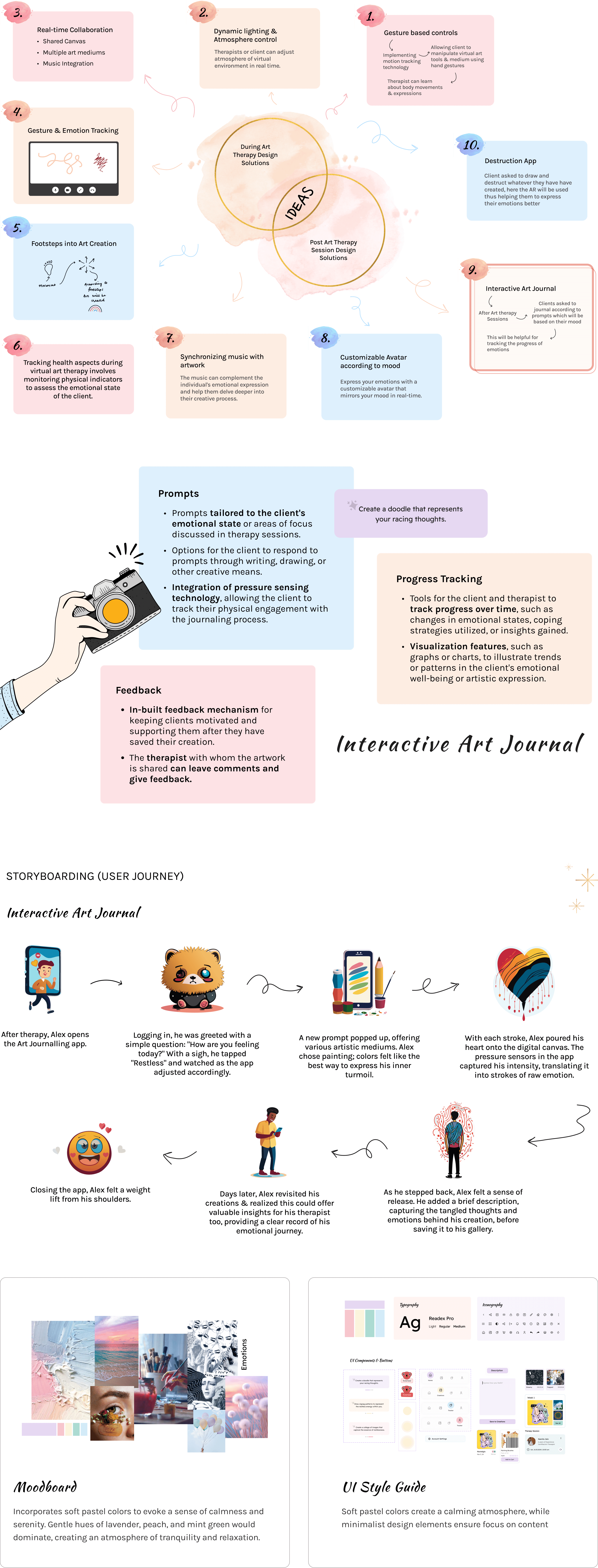
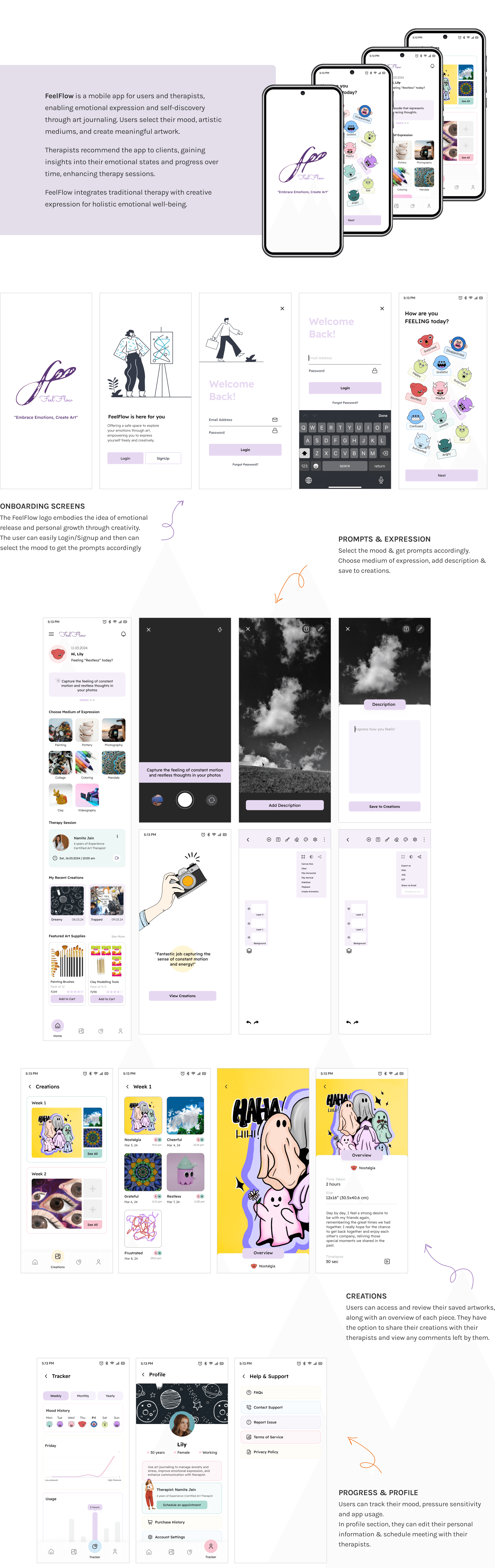
This UX/UI design case study creates a digital platform to enhance art therapy for therapists and clients. It prioritizes user-centered design, delivering an intuitive interface for emotional expression, collaboration, and engagement in virtual sessions.
Interview Insights
Non-verbal Communication: Virtual art therapy lacks crucial non-verbal cues, hindering therapists' understanding of clients' emotions and their ability to tailor treatment effectively.
Limited Sensory Experiences: Online art therapy may not feel the same because you can't touch or feel the materials. This might make some activities less effective for helping you connect with your emotions.
Privacy & Control: In online therapy, clients may feel less comfortable expressing themselves if they share their space with others, worrying about privacy.
Authenticity: Some individuals are offering art therapy services without proper certification or qualifications.
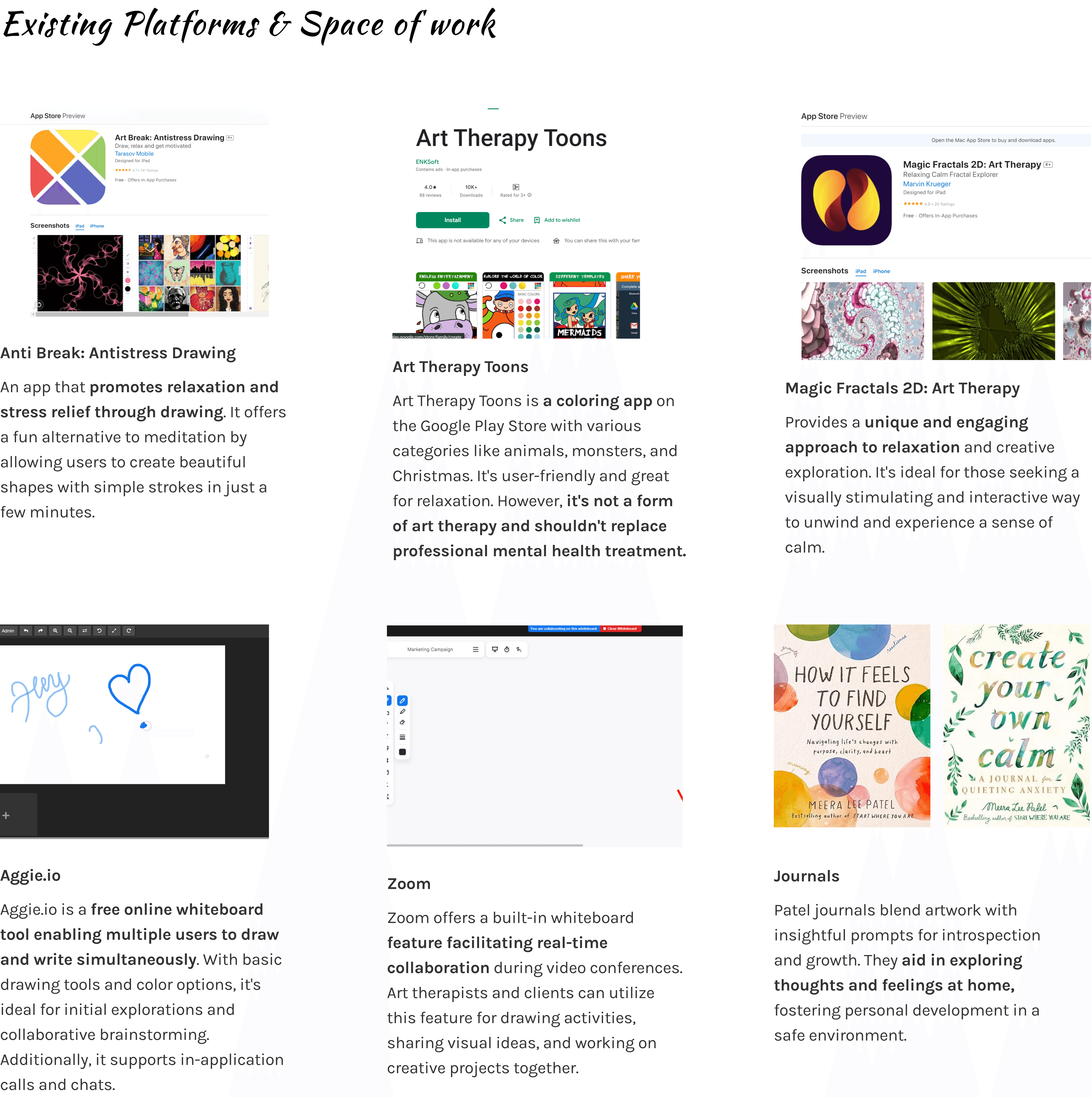
Collaborative Tool: There is currently no widely recognized platform dedicated specifically to collaborative art therapy, presenting a potential opportunity for development and exploration.
Music+Art: Music can guide the rhythm and flow of the art therapy session. Upbeat music can encourage dynamic movements and spontaneous creation, while slower tempos can inspire calmer and more introspective artwork.
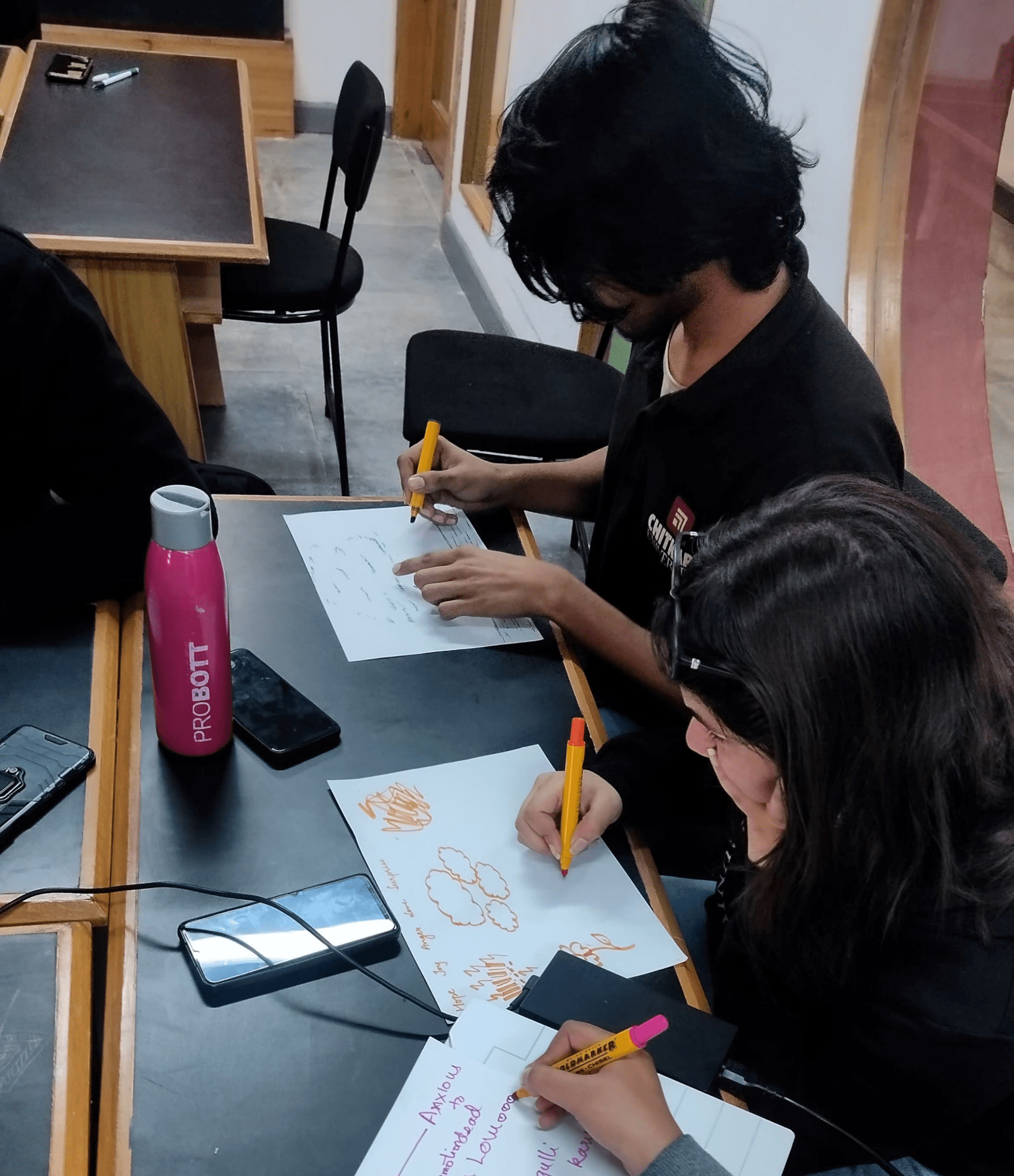
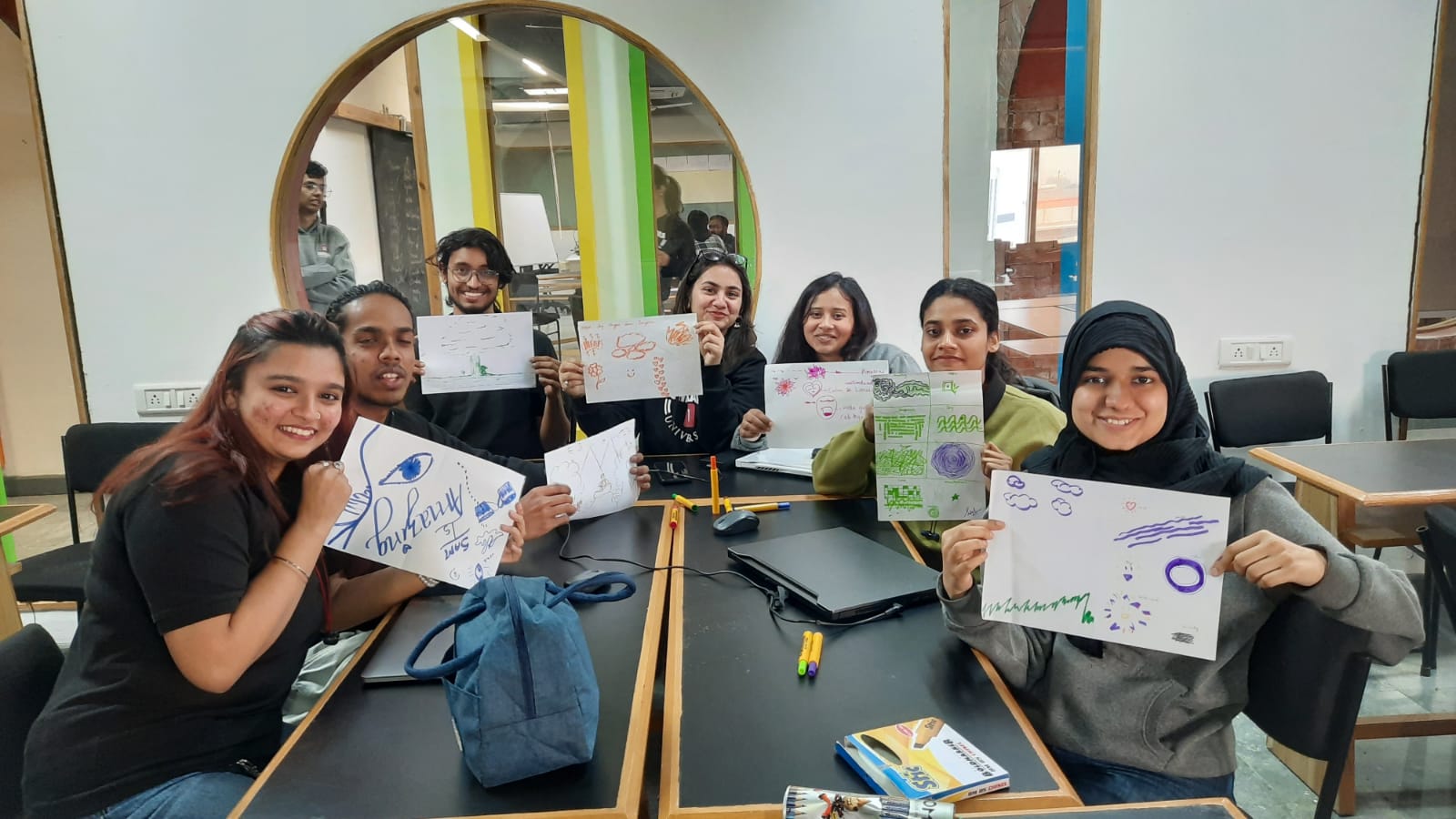
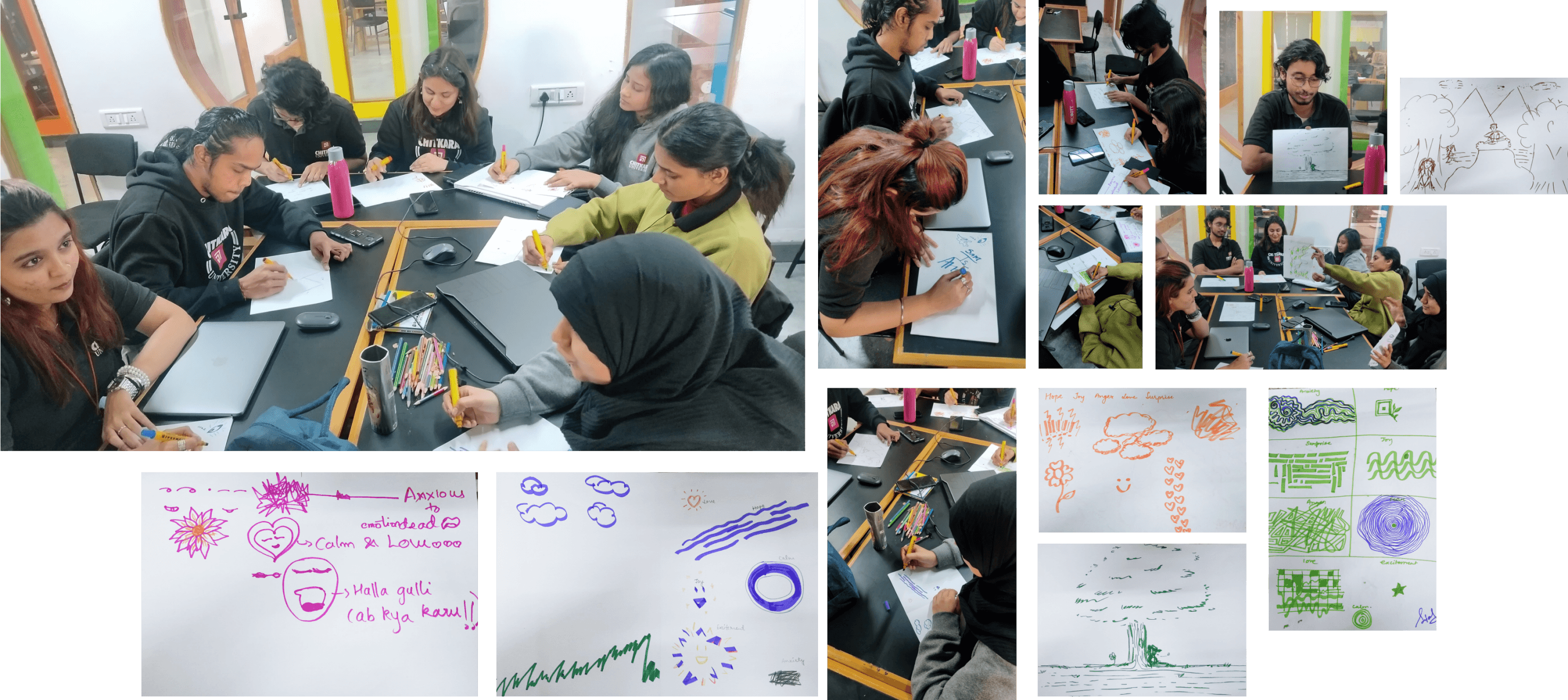
Relaxing: Based on focus group observations, participants felt relaxed after certain art activities, with one person deeply connecting with the emotions expressed in artwork.
How Might We?
How might we develop effective collaboration tools for post virtual/in-person art therapy sessions that enable therapists and clients to communicate and engage fully, overcoming the limitations of remote interaction?
Other projects
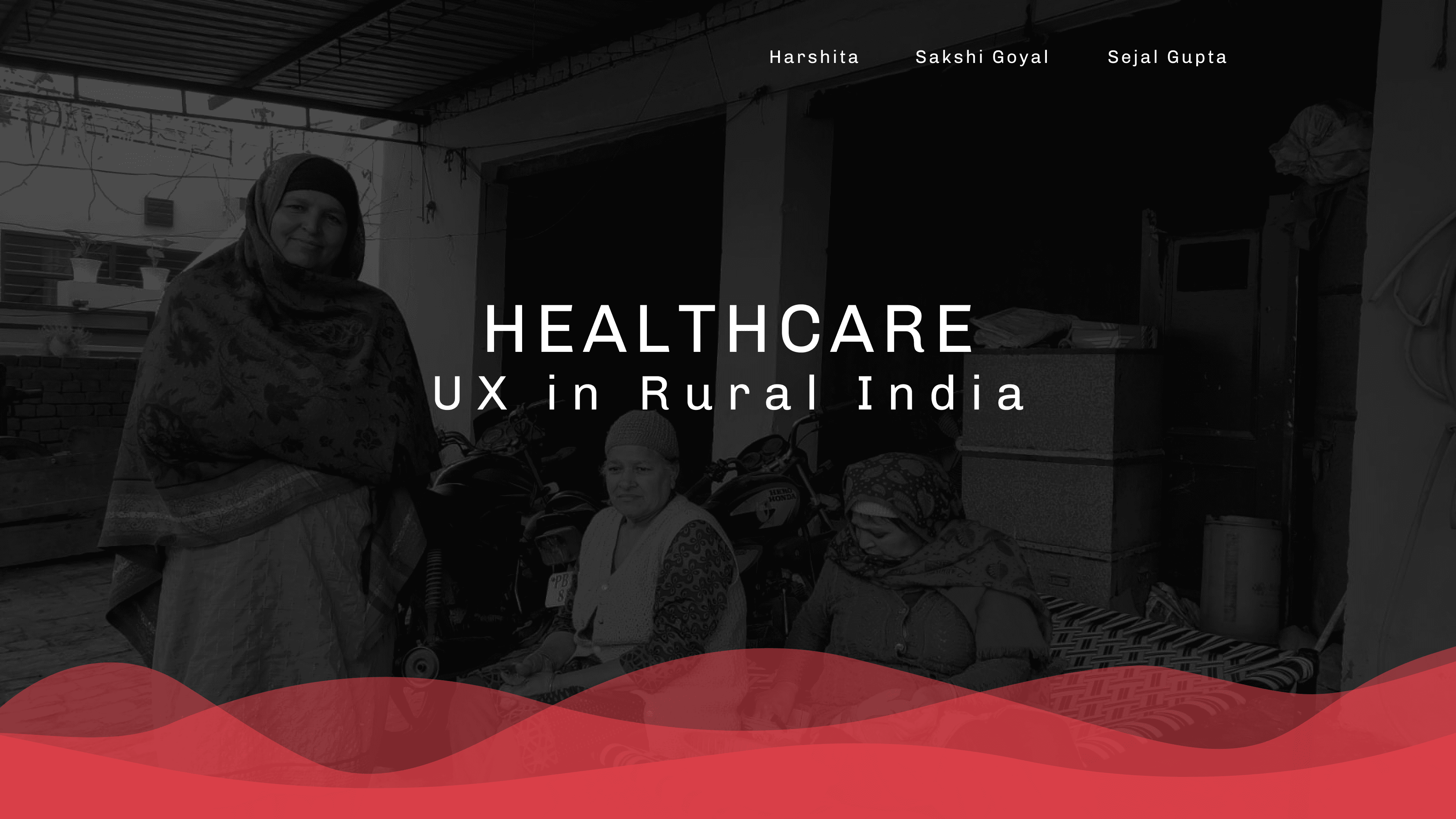
This UX project tackles menstrual health challenges in rural Punjab with empathetic, locally-tailored designs. Our goal is to enhance well-being, foster open menstruation discussions, and celebrate menstrual health in these communities.
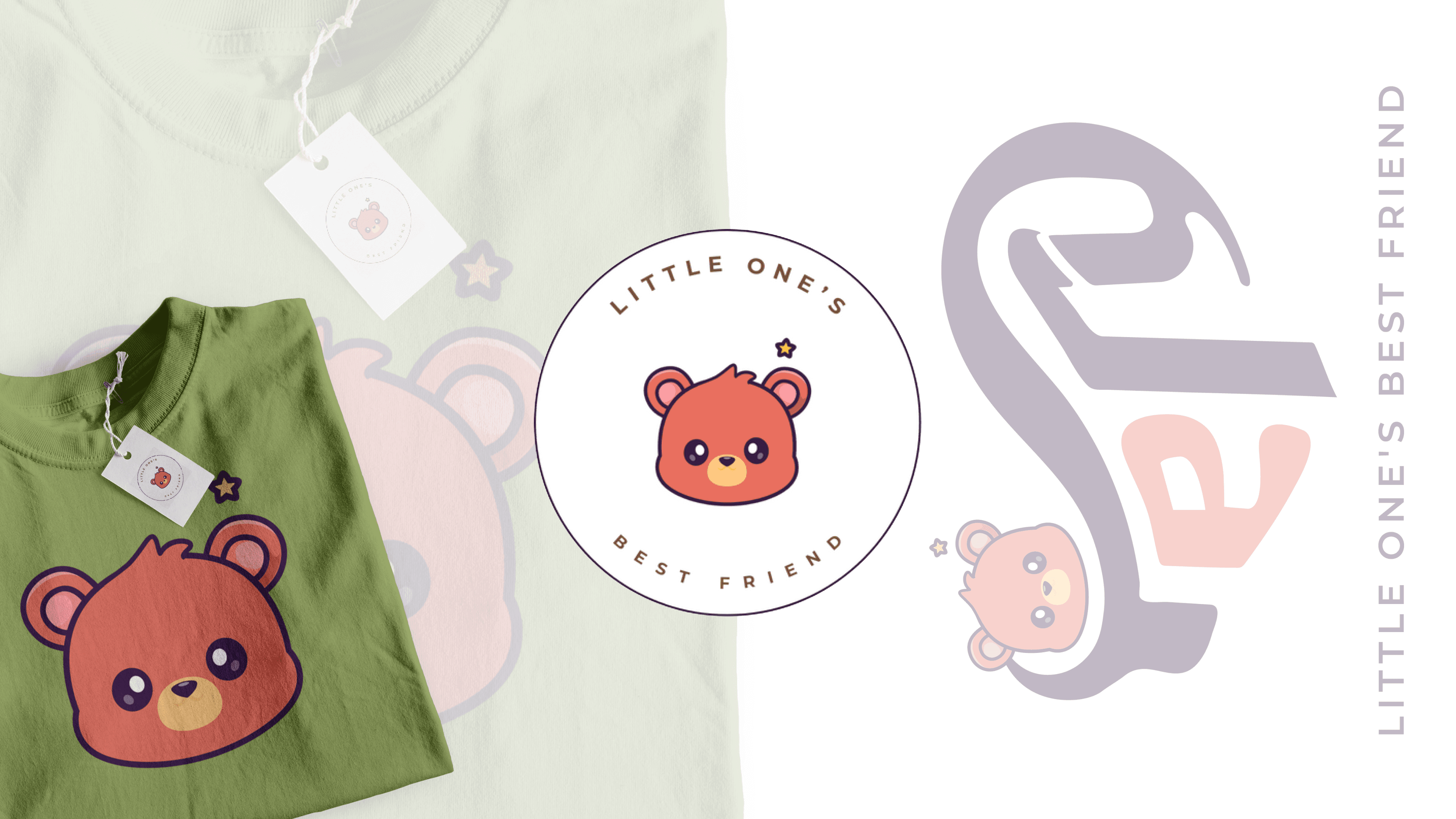
Creating a vibrant and playful brand identity for Tery, a brand that offers soft & affordable essentials designed to delight both babies & parents.
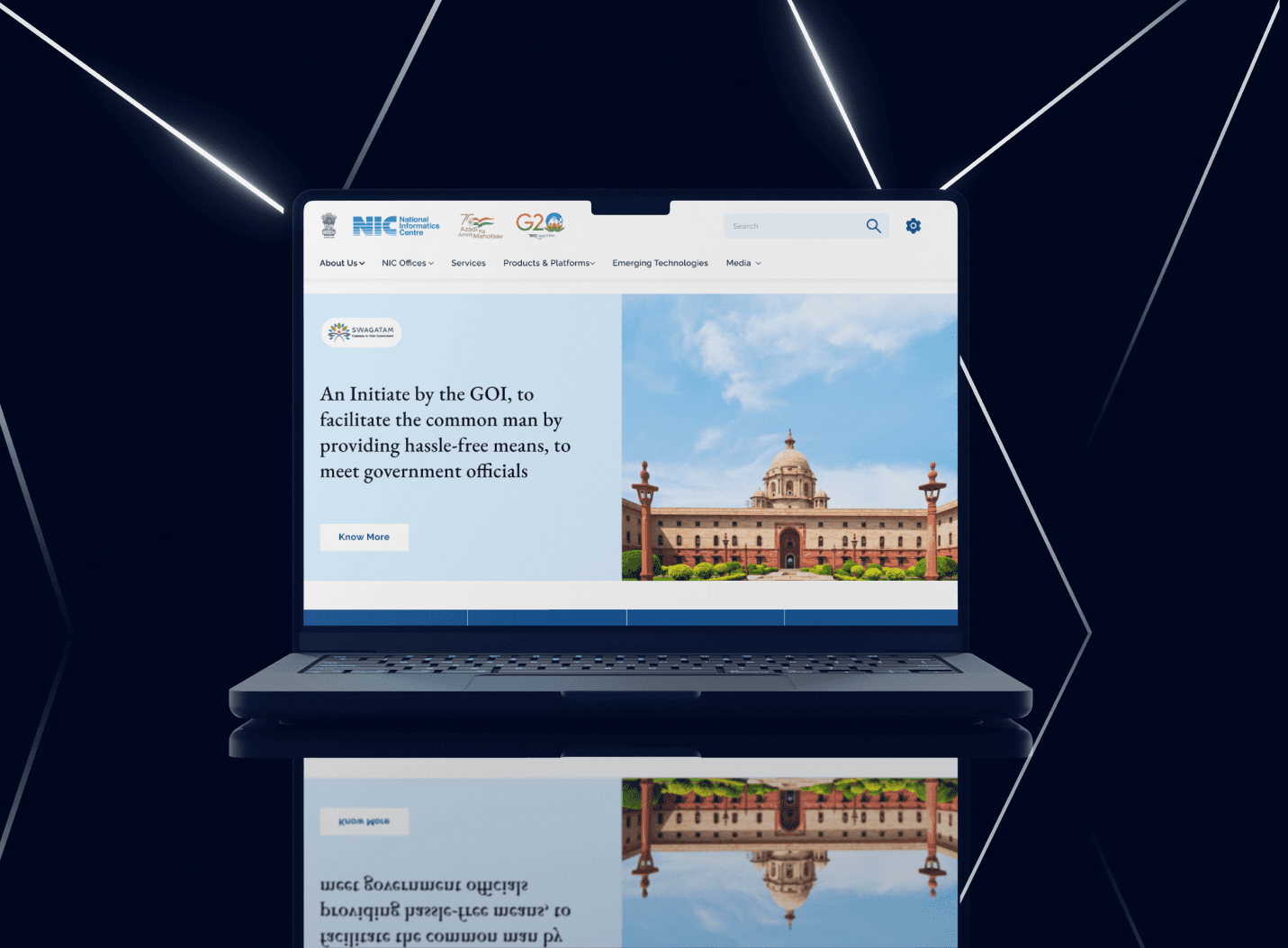
Elevating the user experience of existing National Informatics website by enhancing its usability, visual appeal, and functionality.