Secondary Research
Menstrual Health: Many rural women lack access to sanitary napkins due to factors like: Financial Constraints, Lack of awareness, Lack of product Availability
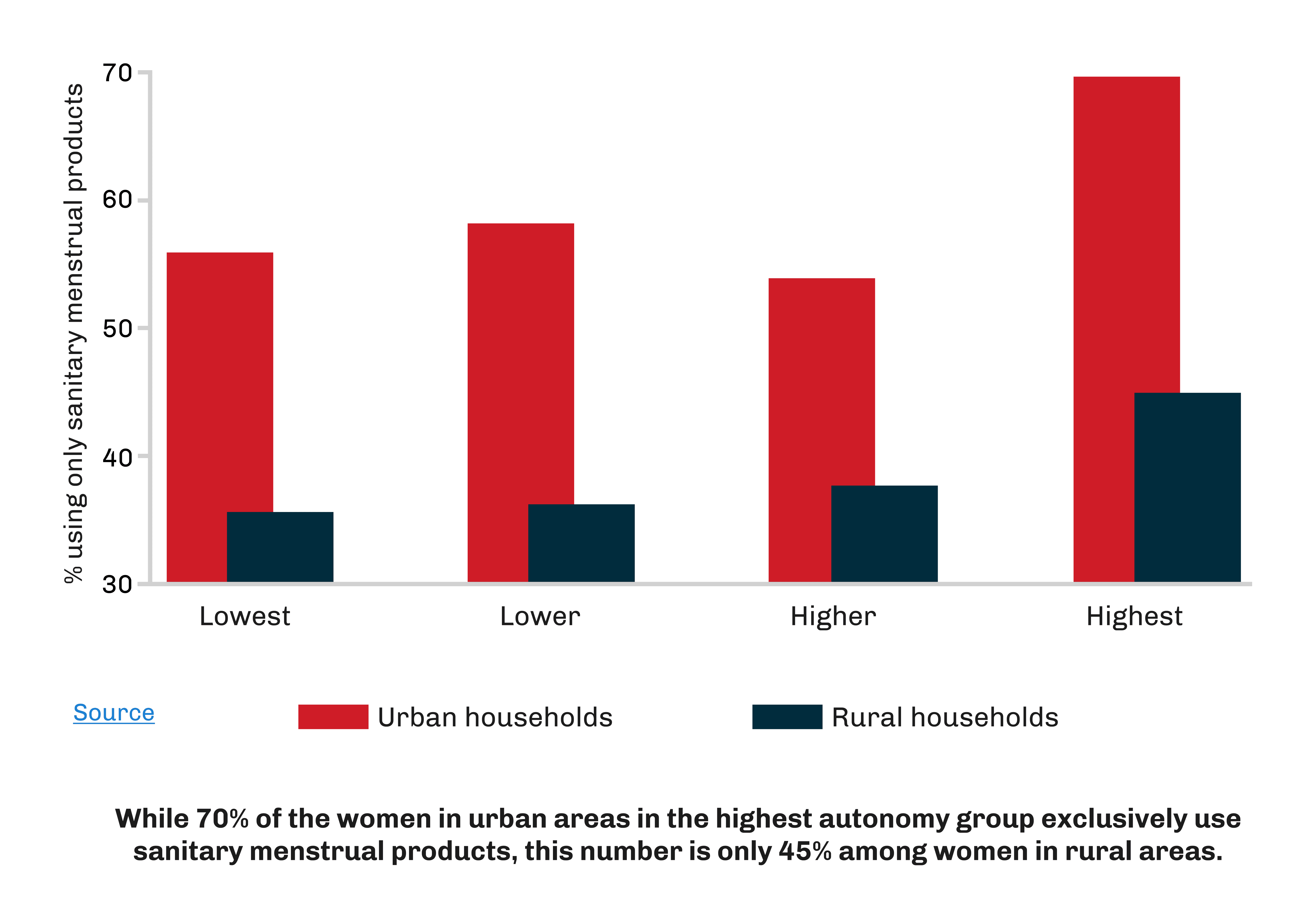
According to the National Family Health Survey, about 50% women use cloth during menstruation, which is not classified as hygienic protection.
These unhygienic practices and ignorance can lead to multiple health related issues and even critical illnesses like cervical cancer, reproductive tract infections, Hepatitis B infection, urinary tract infection and more.
Almost 20 million girls drop out of school every year, due to lack of hygiene, separate toilets and availability of sanitary napkins.
Initial How Might We?
How might we design a solution for rural India that addresses the interconnected challenges of social stigma surrounding health issues, menstrual health disparities, and limited availability of medicines?
Primary Research
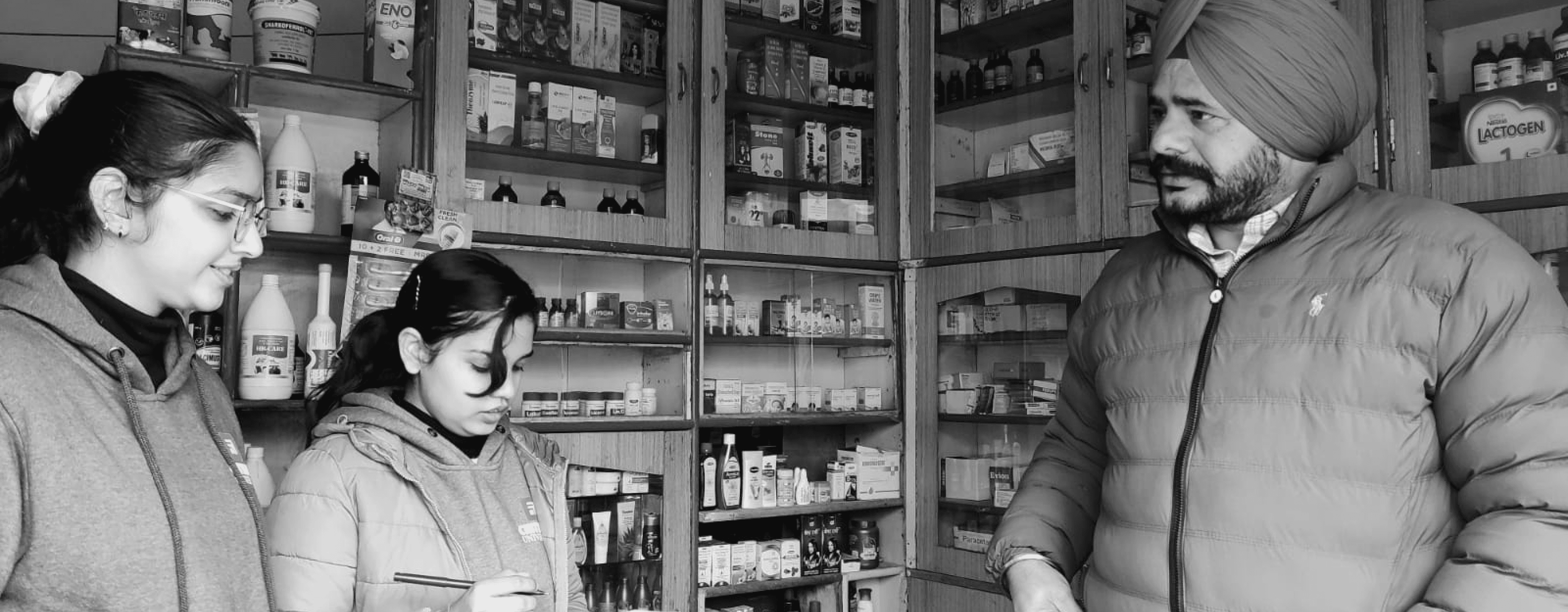
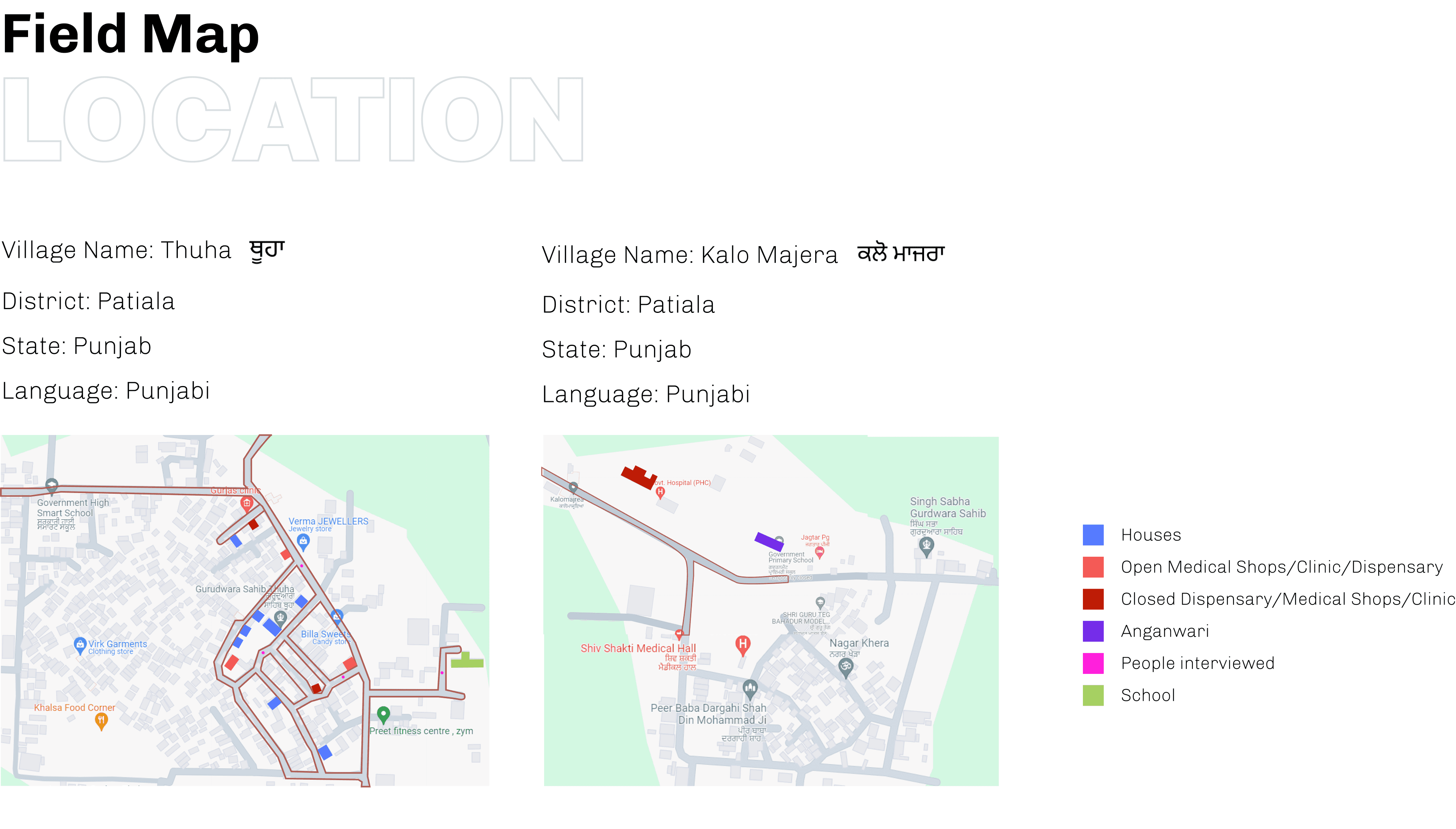
Semi Structured Interviews: 12 Covert Observation: 1 Focus Group: 3
Interview Insights
Supply Source
Majority use sanitary pads.
Anganwadi centres initially provided pads but stopped after the “Udaan Scheme” was discontinued.
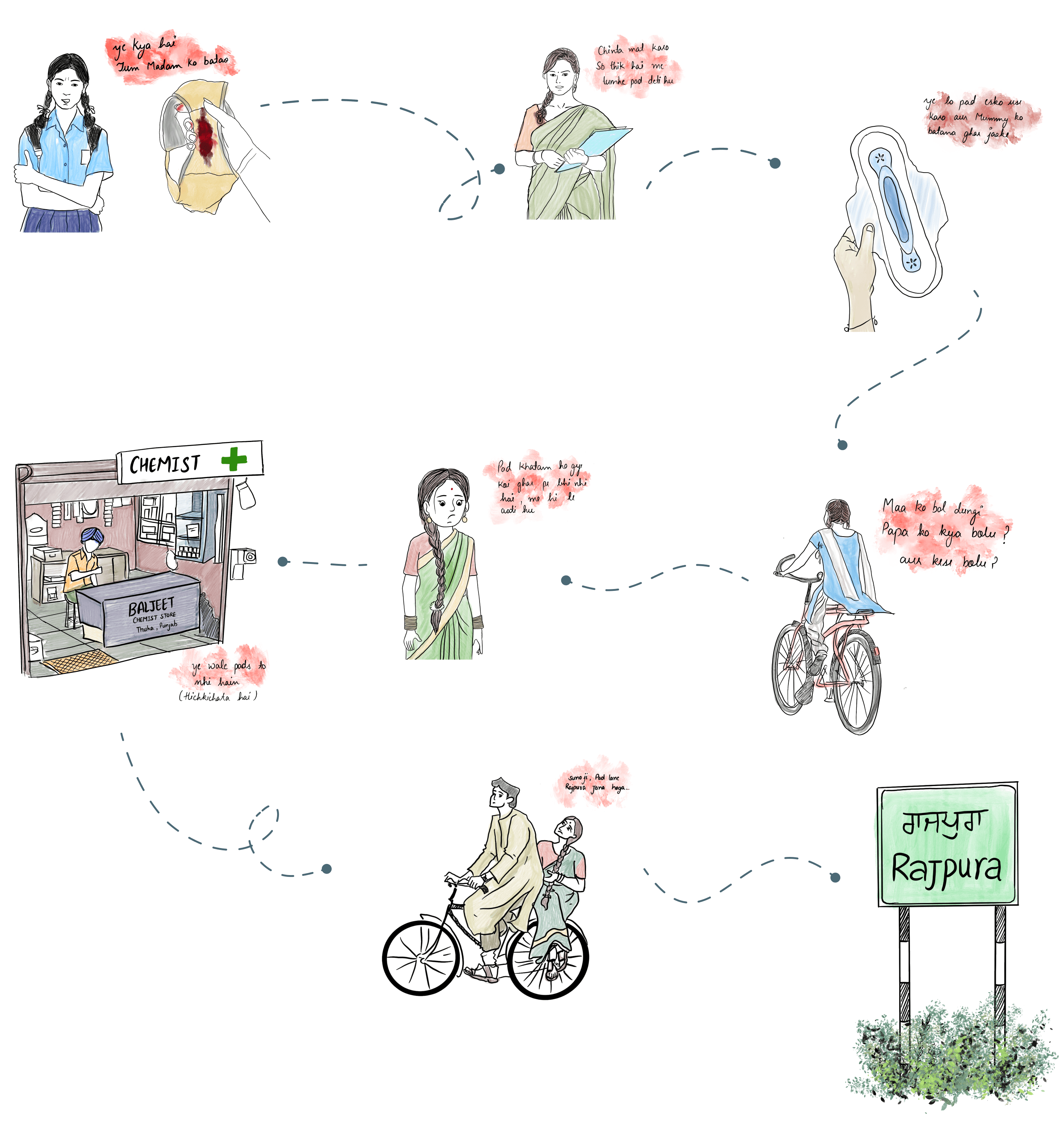
Currently sourced from a local chemist in Rajpura, typically bought by husbands.
Availability Challenges
Limited availability at the village's only pharmacy.
Residents often travel to Rajpura for menstrual products.
Community Practices
Limited online delivery options for menstrual products.
Emergency Solutions
Cloth used in emergencies.
Unclear about Jan Aushadhi Kendra's location and services.
Anganwadi Centre Dynamics
Closes at 1 PM.
Community meetings for awareness are held only when products are available for distribution.
Cultural Conversations
Hesitancy to discuss menstrual hygiene openly within families.
Reliance on teachers for guidance; discussions among friends are limited to women.
Communication Preferences
Prefer discussing menstrual hygiene with mothers over fathers.
Parents share limited information; rely on teachers and friends.
Storage and Disposal
Sanitary napkins are often bought in bulk by family members.
Disposal usually involves burning the pads along with other garbage.
User Journey
Final How Might We?
How might we design a solution improving menstrual products availability in rural villages while addressing stigma around menstruation?